

Epoxy Flooring Contractor in Apache Junction, AZ
Floors poured for desert heat. Garage, patio, metallic and commercial epoxy coatings across the East Valley, built to handle 115° slabs, hot tires and monsoon dust.
Get a free estimate
We'll call you within one business day.
A coating is only as good as the slab under it.
Most failed garage floors we see in Apache Junction didn't fail because of the coating. They failed because the concrete was never ground, the cracks were never filled, or a moisture problem was painted over.
We start every job by testing and grinding the slab, repairing what needs repair, and choosing a system for how the space is actually used. Then we install it start to finish with our own crew.
- Diamond-ground prep
- on every floor, never acid etching
- 1-day installs
- available with polyaspartic topcoats
- UV-stable topcoats
- that won't yellow in Arizona sun

Epoxy flooring in Apache Junction, AZ
Apache Junction Epoxy Flooring installs epoxy, polyaspartic and polyurea floor coatings for homes and businesses in Apache Junction and the surrounding East Valley. Most of our work is garage floors, but we also coat patios, pool decks, workshops, home gyms, showrooms, shops and warehouses. Every floor gets the same approach: understand the slab, prepare it properly, and choose a system that fits how the space is used.
Floors here deal with conditions that coatings in milder climates never see. A system that holds up in a shaded garage in Oregon can fail early in a west-facing garage at the base of the Superstition Mountains. These are the four things we plan every Apache Junction floor around.
Summer heat
Garage air regularly passes 110°F in summer, and a slab in direct sun gets hotter still. Heat speeds up cure times and shortens working time, so we schedule installs for cooler parts of the day and choose products rated for high slab temperatures.
Sun and UV
Standard epoxy can yellow, or amber, when sunlight reaches it. Any floor that sees daylight through an open garage door, or sits outdoors, gets a UV-stable polyaspartic topcoat so the color stays true.
Hot tires
After a drive on summer pavement, tires can soften and grip a weak coating, then pull it up as they cool. This is called hot-tire pickup. Proper grinding and a well-bonded system are what prevent it.
Dust and monsoons
Fine desert dust and summer monsoon mud end up on every floor. A sealed, seamless surface keeps grit from working into the concrete, so it sweeps clean or hoses off instead of staining.
What we install
Pick a service to see the finish it usually goes with.
Garage floor coatings
Our most requested job. A ground and repaired slab, an epoxy base coat, a full broadcast of vinyl flake, and a UV-stable polyaspartic topcoat. It hides dust, resists hot-tire pickup and cleans with a squeegee.
- Crack and spall repair included
- Choice of texture for grip when wet
- Can be driven on in 24–48 hours
Decorative flake
Colored chips broadcast into the base coat and locked under a clear topcoat. Choose a blend that matches your home, from soft granite tones to bold blue and white mixes.
- Dozens of standard blends
- Partial or full broadcast
- Works in garages, laundry rooms and shops
Metallic epoxy
Metallic pigments are worked through the epoxy by hand, so every floor moves and catches light differently. It's the finish for showrooms, home bars, man caves and anywhere the floor should be the first thing people notice.
- Custom color combinations
- Deep, high-gloss finish
- Every floor is one of a kind
Polyaspartic floors
Polyaspartic cures fast and won't amber in sunlight, which matters in a garage with the door open to the Arizona afternoon. It's what lets us finish many garages in a single day.
- One-day installs on most garages
- Stays clear under UV
- Can be applied in a wider temperature range
Polyurea floors
A flexible, very fast-curing base coat that handles the expansion and contraction a slab goes through between a July afternoon and a January night.
- More flexible than standard epoxy
- Strong bond to properly ground concrete
- Pairs with flake or solid color
Residential epoxy
Clean, seamless floors for the rest of the house: workshops, home gyms, basements, casitas and laundry rooms. Solid colors, flake or metallic, sealed for easy cleaning.
- Moisture testing before we quote
- Low-odor options for lived-in homes
- Seamless and easy to mop
Patio & concrete coatings
Outdoor concrete takes direct sun, pool water and monsoon storms. We use UV-stable, slip-resistant systems for patios, pool decks, walkways and entries.
- Textured for bare feet and wet days
- Cooler, lighter color options
- Hides old stains and patched areas
Commercial epoxy
Durable floors for retail stores, showrooms, salons, restaurants back-of-house and offices. We schedule around your hours and stage work so you can stay open where possible.
- Night and weekend installs
- Solid color, flake or metallic
- Chemical- and stain-resistant topcoats
Warehouse & industrial
Heavy-duty, high-build systems for forklifts, pallet jacks, carts and storage. We can add striped walkways, parking and safety zones in the coating itself.
- High-build epoxy and urethane cement
- Line striping and safety markings
- Phased installs to keep you running
Concrete prep & repair
Every system above starts here. We diamond-grind the slab to open the surface, remove old coatings, fill cracks and pits, and fix damaged control joints so the new floor bonds for good.
- Old coating removal
- Crack, pit and spall repair
- Moisture testing
Epoxy, polyaspartic or polyurea?
People say "epoxy floor" for all of these, but they are different materials. Most good floors use more than one: a strong base coat and a tougher, UV-stable topcoat.
Epoxy
Builds a thick, hard layer and bonds very well to ground concrete. It's the usual base coat under flake and metallic floors, and the right choice for most indoor solid-color floors.
Takes longer to cure. Can yellow in sunlight, so it needs a UV-stable topcoat anywhere daylight reaches it.
Polyaspartic
Cures fast, stays clear in UV, and resists scratches and chemicals well. It's what lets us finish many garages in one day, and it's our standard topcoat for garages and patios.
Short working time, especially in heat, so it needs an experienced crew and careful scheduling.
Polyurea
Very fast-curing and more flexible than epoxy, so it handles the slab moving between hot days and cool nights. Often used as a base coat in quick-turnaround systems.
Products vary widely. Some cure in minutes, which leaves little room for error on large floors.
At your estimate, we'll recommend a specific system for your floor and explain why: which base coat, which topcoat, how thick, and how long before you can drive on it.
Choosing a look
The coating system decides how the floor performs. The finish decides how it looks and feels underfoot.
Decorative flake
Colored vinyl chips scattered into the base coat and sealed under a clear topcoat. It hides dust and small imperfections, adds texture for grip, and is the most popular finish for garages. Blends range from soft granite tones to bold blue and white.
Metallic epoxy
Metallic pigments worked through the epoxy by hand, creating depth and movement that looks like stone or liquid metal. Every floor is one of a kind. Popular for showrooms, home bars and feature garages.
Solid color
One uniform color, from light gray to safety yellow. Practical, bright and easy to stripe, which makes it the usual choice for shops, warehouses and commercial spaces.
Textured outdoor finishes
Lighter colors and a slip-resistant texture for patios, pool decks and walkways, so the surface stays cooler and safer for bare feet.
How an install goes

Look at the slab
We visit, measure, check for moisture and damage, and talk through how you use the space.
Written quote
One clear price with the system, colors and timeline spelled out. No surprise add-ons.
Grind and repair
Diamond grinding, dust control, and repairs to cracks, pits and joints.
Coat
Base coat, flake or metallic work, and the topcoat, applied by our own crew.
Cure and walk-through
We go over the floor with you and explain when it's ready for feet, then cars.
Why prep is most of the job
Coatings don't stick to concrete the way paint sticks to a wall. They need a clean, open, slightly rough surface to grip, called a profile. Most coating failures, from peeling under tires to bubbles and flaking, trace back to skipped or rushed prep.
- Diamond grinding, not acid etching. We grind every slab with diamond tooling connected to dust collection. It removes weak surface paste, sealers and stains and leaves an even profile. Acid etching is cheaper but inconsistent, and it can leave residue that hurts the bond.
- Old coatings come off. Peeling paint or a failing coating gets ground away. Putting a new layer over a weak one means the new floor fails along with it.
- Cracks, pits and joints get repaired. We fill and grind flush cracks, spalls and pitted areas so they don't show through. Control joints are cleaned out and filled or honored, depending on the slab.
- Moisture gets tested. Water vapor moving up through a slab can push a coating off from below. Where it's a risk, we test before quoting and use a moisture-tolerant primer if needed.
Why epoxy works so well out here
It takes the heat
A properly installed system won't lift or soften when your garage hits triple digits, and the right topcoat won't release under hot tires.
Dust stays on top
A sealed floor stops concrete dusting and makes desert grit and monsoon mud easy to sweep or hose off.
It brightens the room
A glossy, light-colored floor reflects light, so garages and shops feel cleaner and need less lighting.
Spills wipe up
Oil, coolant, pool chemicals and fertilizer sit on the surface instead of soaking into the slab.
What affects the price
Every estimate is based on your actual floor, so we don't quote prices sight unseen. These are the things that move the number up or down:
- Size. Larger floors usually cost less per square foot because setup and prep equipment are spread over more area.
- Slab condition. Old coatings to remove, deep cracks, spalling or oil-soaked areas add prep time.
- The system. A full flake system with a polyaspartic topcoat costs more than a single solid-color coat, and lasts longer.
- The finish. Metallic floors take more hand work than flake or solid color.
- Extras. Stem walls, steps, anti-slip additives and safety striping are priced separately.
Caring for your coated floor
A coated floor is low maintenance, but a few habits keep it looking new for years.
- Sweep or dust-mop grit regularly. Sand is what dulls a topcoat over time.
- Mop with warm water and a mild, pH-neutral cleaner. Skip vinegar, citrus and harsh degreasers.
- Wipe up oil, brake fluid and pool chemicals when you see them.
- Put pads under jack stands, motorcycle kickstands and heavy equipment.
- Lift rather than drag heavy items across the floor.
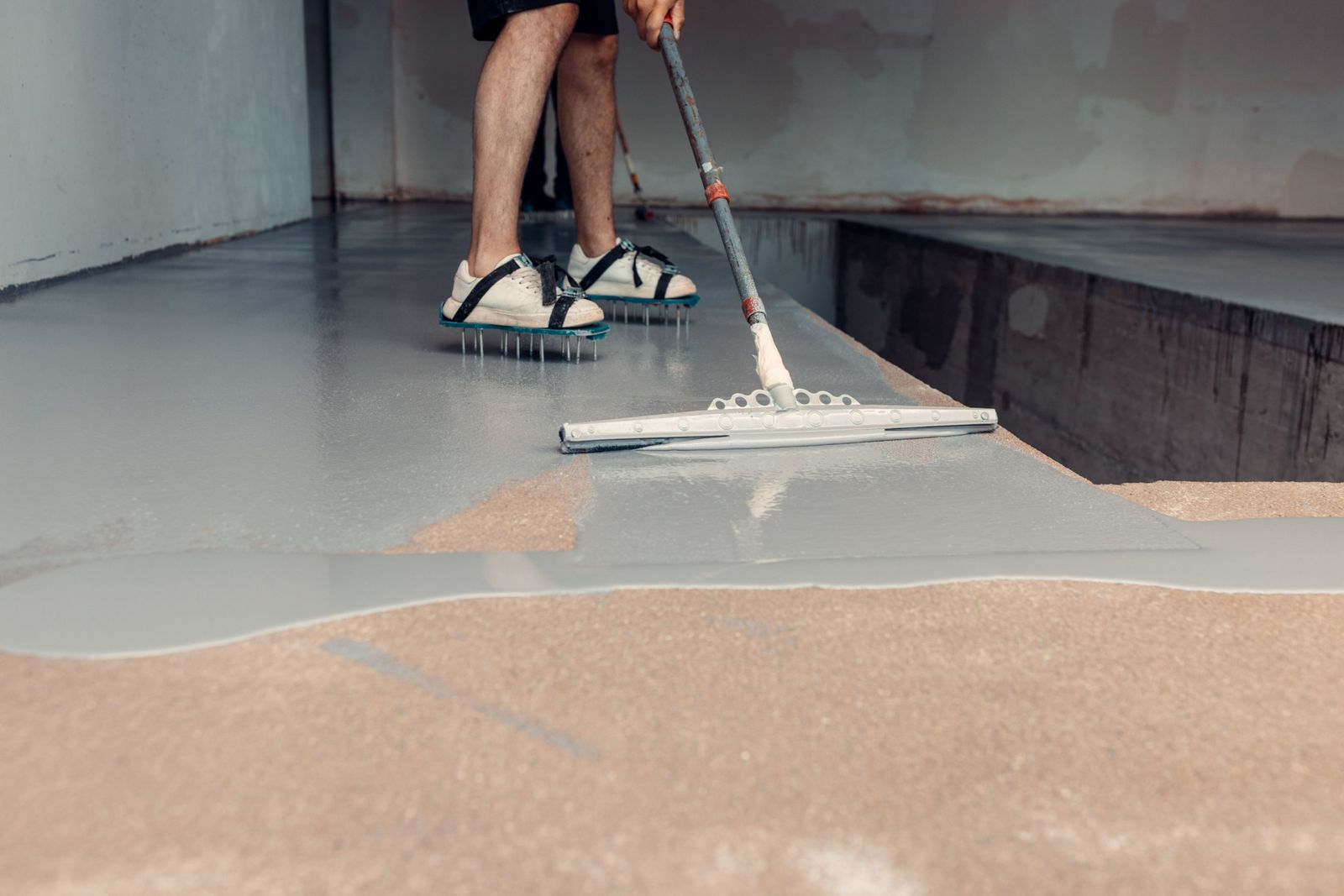
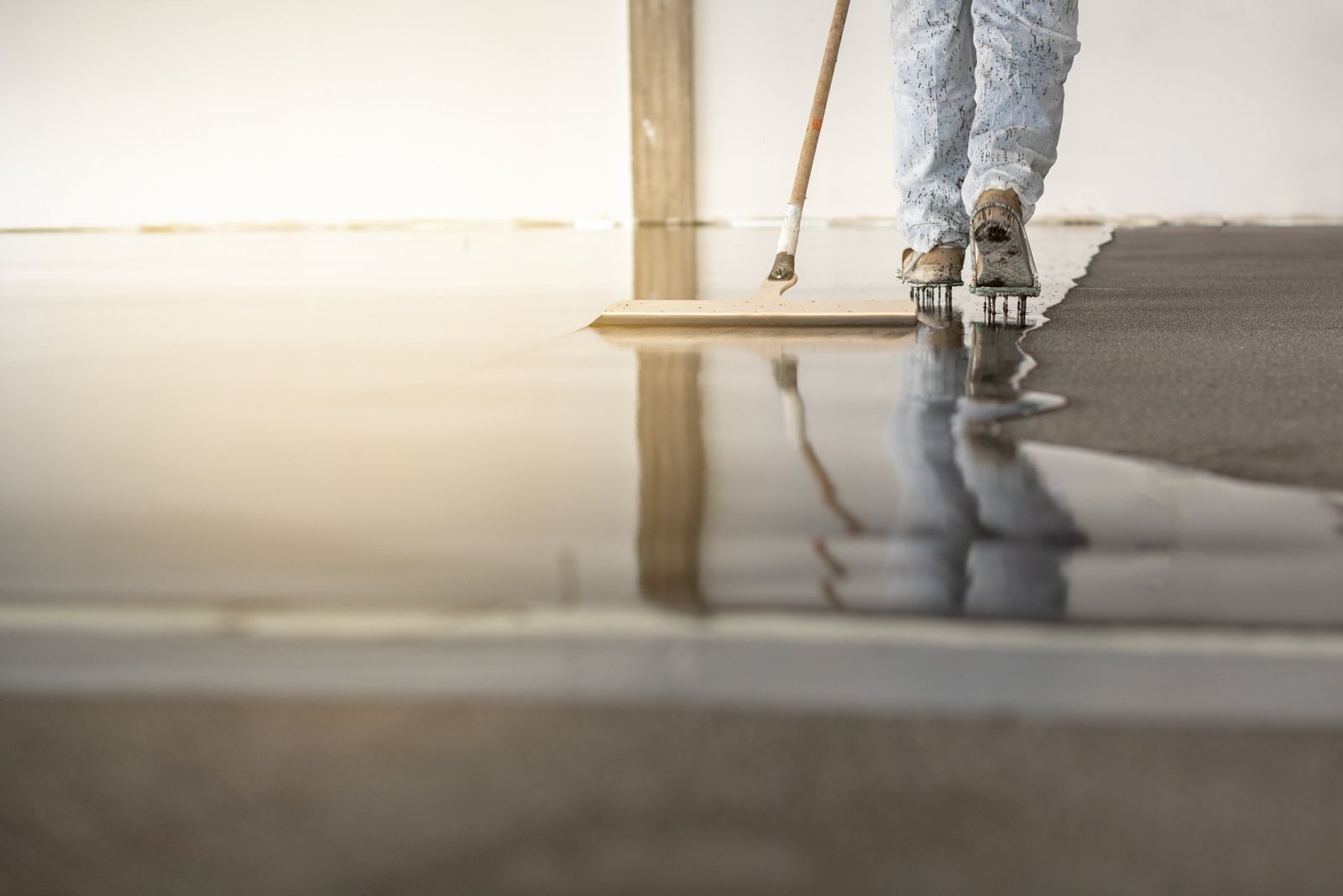
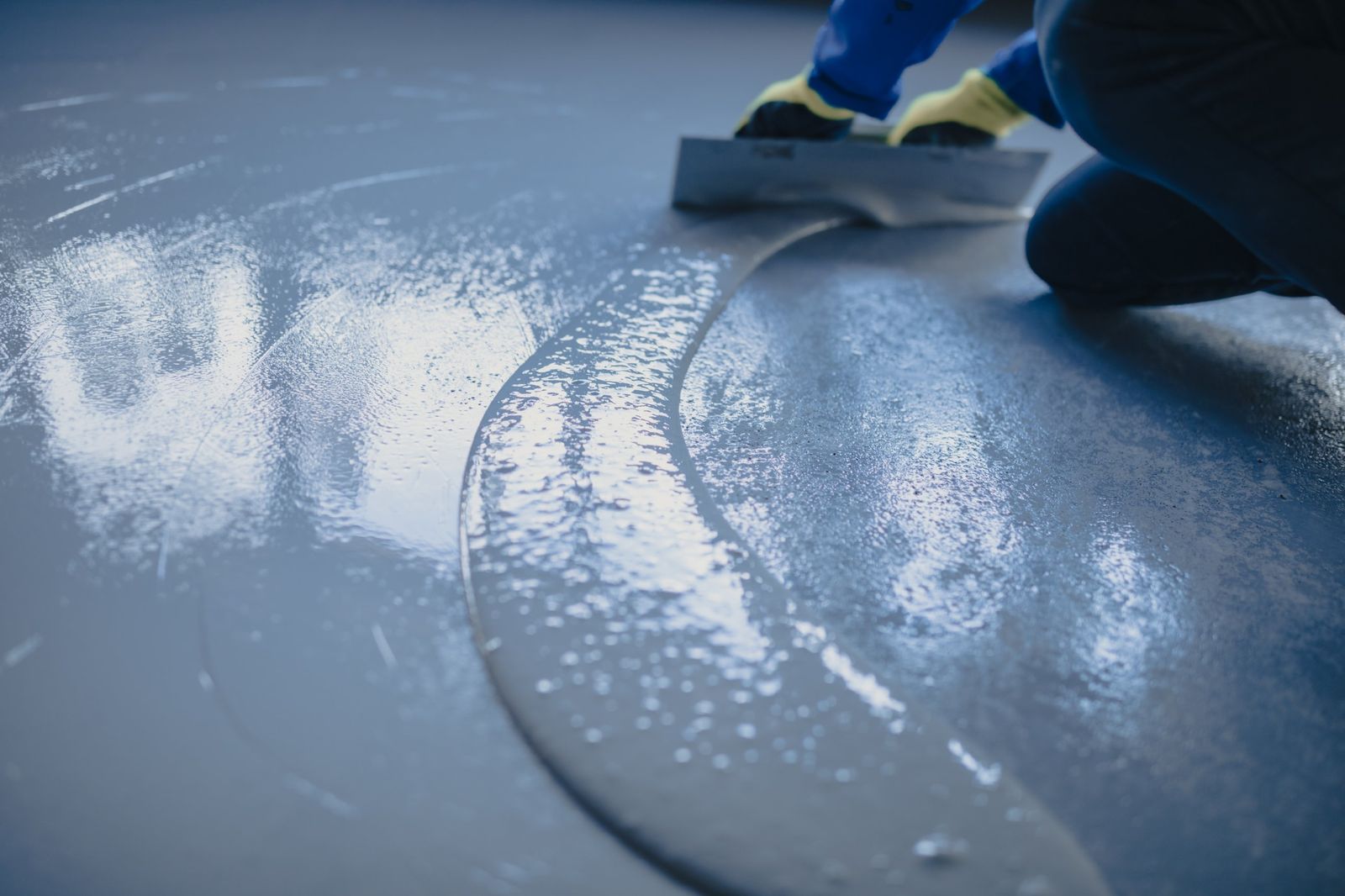
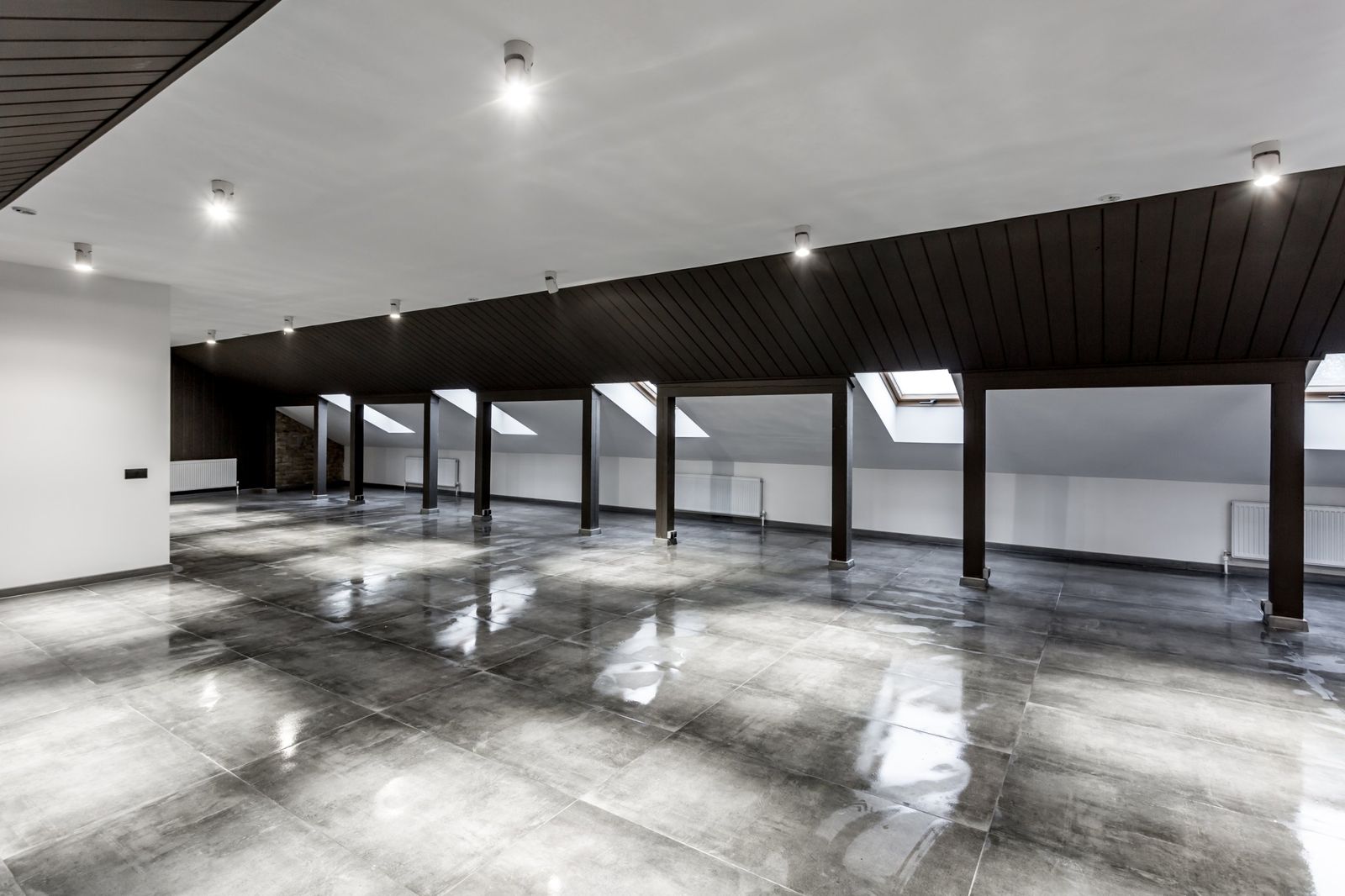
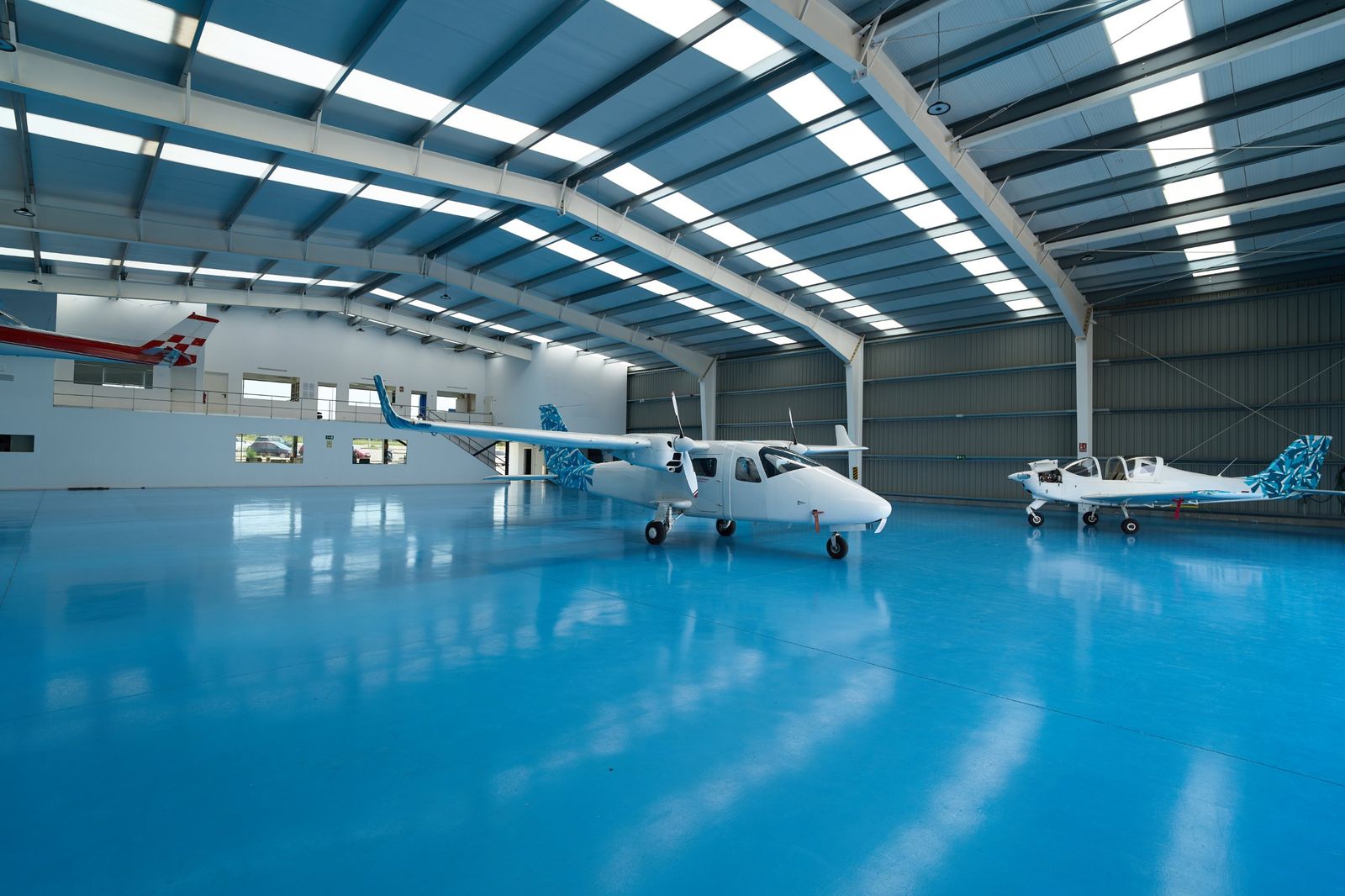
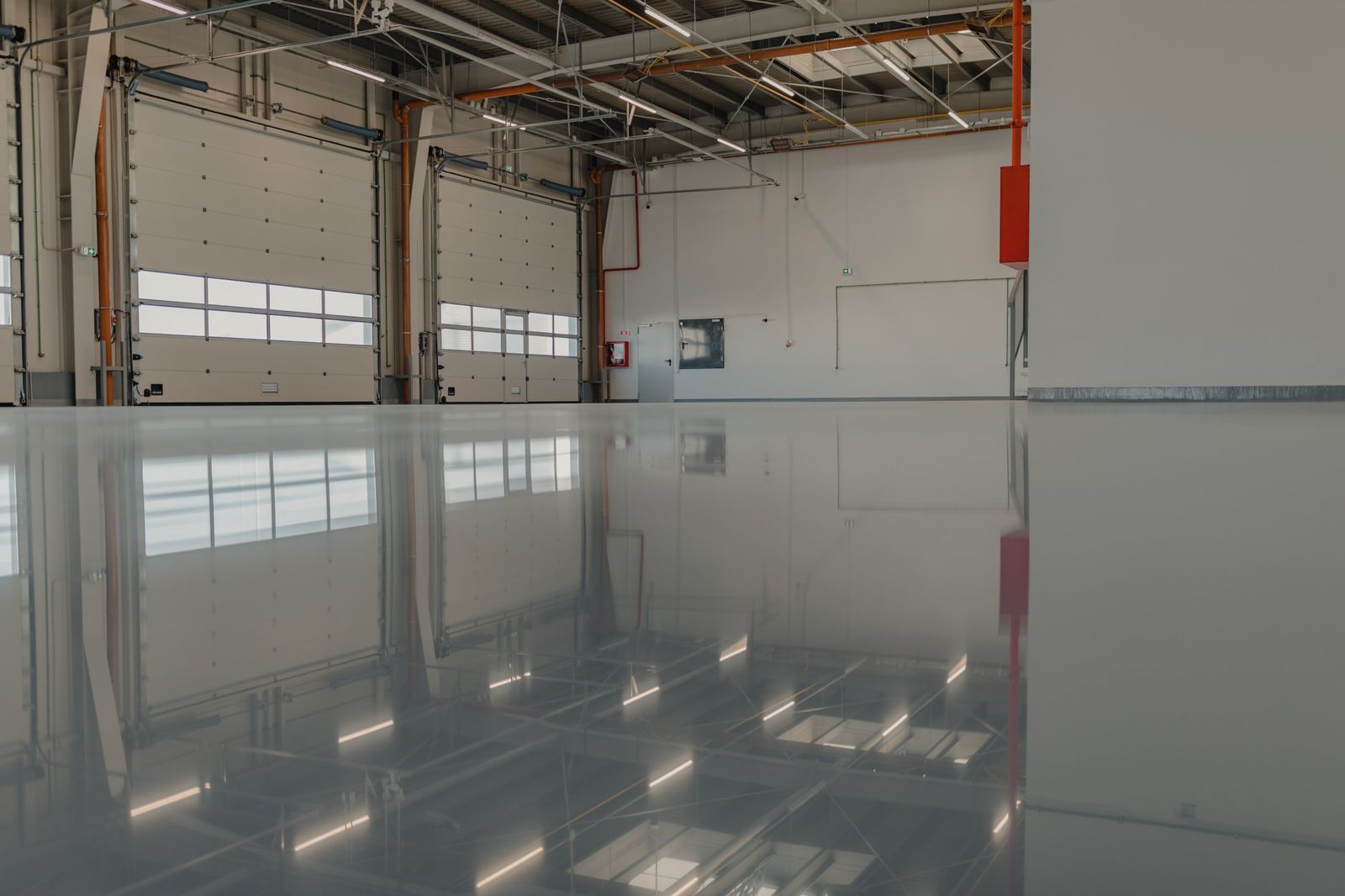
Floor coating photos
Tap a photo to see it larger.
Where we work
Based in Apache Junction, serving the East Valley and Pinal County.
- Apache Junction
- Gold Canyon
- Mesa
- Queen Creek
- San Tan Valley
- Gilbert
- Chandler
- Florence
Apache Junction and Gold Canyon are home base. We coat garages, casitas, patios and shops throughout both, from older slabs that need repair to new builds near the Superstition Mountains.
Mesa, Gilbert and Chandler make up much of our residential and commercial work, including garages, home gyms, retail spaces and light-industrial units.
Queen Creek, San Tan Valley and Florence have many newer homes where owners want to coat the garage early, before oil stains and tire marks set in.
Not sure if you're in range? Ask when you request an estimate. We'll tell you right away.
Questions we get a lot
How long does an epoxy floor last?
A residential garage floor with proper prep and a quality topcoat commonly lasts 10–20 years. Commercial floors depend on traffic; topcoats can be refreshed without starting over.
How long until I can park on it?
With a polyaspartic topcoat, you can usually walk on it the same evening and drive on it within 24–48 hours. Full epoxy systems need a few days more.
Will it get slippery?
Any glossy floor is slicker when wet. Flake broadcasts add texture, and we can add an anti-slip additive to the topcoat for garages, patios and pool decks.
Can you coat over my old coating or a cracked slab?
Usually yes. Peeling or failing coatings get ground off, and cracks and pits get repaired before anything new goes down. We'll tell you at the estimate what your slab needs.
Will it yellow in the sun?
Standard epoxy can amber under UV. That's why we finish garages and outdoor areas with a UV-stable polyaspartic topcoat.
How much does it cost?
Price depends on square footage, slab condition and the system you choose. Estimates are free, and you'll get a written quote after we see the floor.
Do you do one-day garage floors?
Many garages can be finished in one day using a polyaspartic system, as long as the slab is in good shape and doesn't need major repair or moisture treatment. You can walk on it that evening and park on it after the cure time we give you, usually a day or two.
What's the difference between epoxy and polyaspartic?
Epoxy builds a thick, strong base and bonds well to concrete, but it cures slowly and can yellow in sunlight. Polyaspartic cures fast and stays clear in UV. Most of our garage floors use both: an epoxy or polyurea base with a polyaspartic topcoat.
Can you coat a brand-new slab?
Yes, once it has cured. New concrete holds a lot of water, so it usually needs about 28 days before coating. We may test moisture before installing on a new slab.
Do I need to empty my garage?
Yes. The floor needs to be completely clear so we can grind and coat wall to wall. Plan to keep cars and stored items out until the floor has cured.
Can you coat a pool deck or patio?
Yes. Outdoor slabs get a UV-stable system with a slip-resistant texture and, usually, a lighter color to stay cooler. Some decks with existing cool-deck coatings need that layer removed first.
Get a free estimate
Tell us about the floor and we'll get back to you within one business day to set up a visit.
- (520) 593-5152
- hello@apachejunctionepoxy.com
- 1735 W Apache Trail, Suite 5500, Apache Junction, AZ 85120
- Mon–Sat, 7am–6pm